How to Choose a Kitchen Appliance Package
Buying a kitchen appliance package involves more than choosing matching finishes. Each appliance needs to fit the space, support the way your household cooks and work with the utilities, cabinetry and ventilation planned for the kitchen.
The best package is not necessarily the one with the most features—or even one made entirely by a single brand. It is the collection of appliances that works well together and makes sense for your home, priorities and budget.
This guide will help you organize those decisions before you begin comparing individual models.
Start with the type of project
- Replacement — work within existing openings and utilities.
- Remodel — select appliances before finalizing cabinets and counters.
- New construction — coordinate appliances, utilities, ventilation, and cabinetry early.
Replacing existing appliances
A replacement project is usually governed by the existing openings and utility connections. Before shopping, confirm the dimensions of each space, door clearances, electrical service, gas connections, water supply and ventilation.
Even when two appliances share the same advertised width, their installation requirements may differ.
Remodeling a kitchen
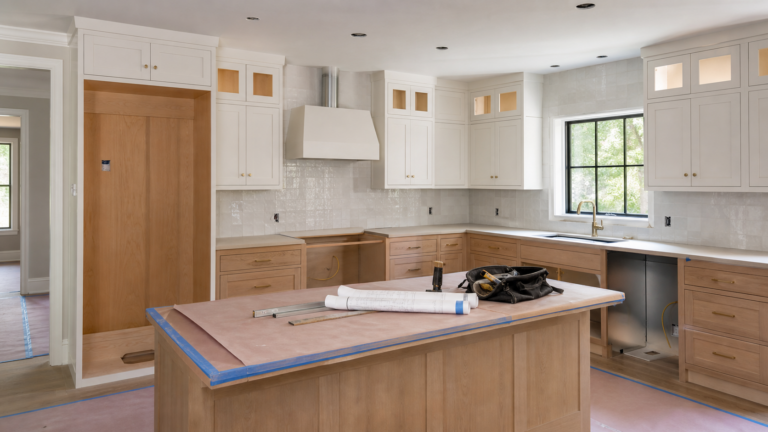
A remodel provides more flexibility, but appliance decisions should be made before cabinetry and countertops are finalized. This is especially important for built-in refrigeration, panel-ready appliances, professional-style ranges and custom ventilation.
Selecting appliances early gives the designer and contractors accurate specifications to work from.
Building a new home
A new build offers the greatest freedom to plan the package around the household. It also requires early coordination between the appliance specialist, cabinet designer, electrician, plumber, HVAC contractor and builder.
The appliance list should be established early enough to plan utilities, ventilation, cabinet openings and delivery access correctly.
The four core decisions
1. Refrigeration
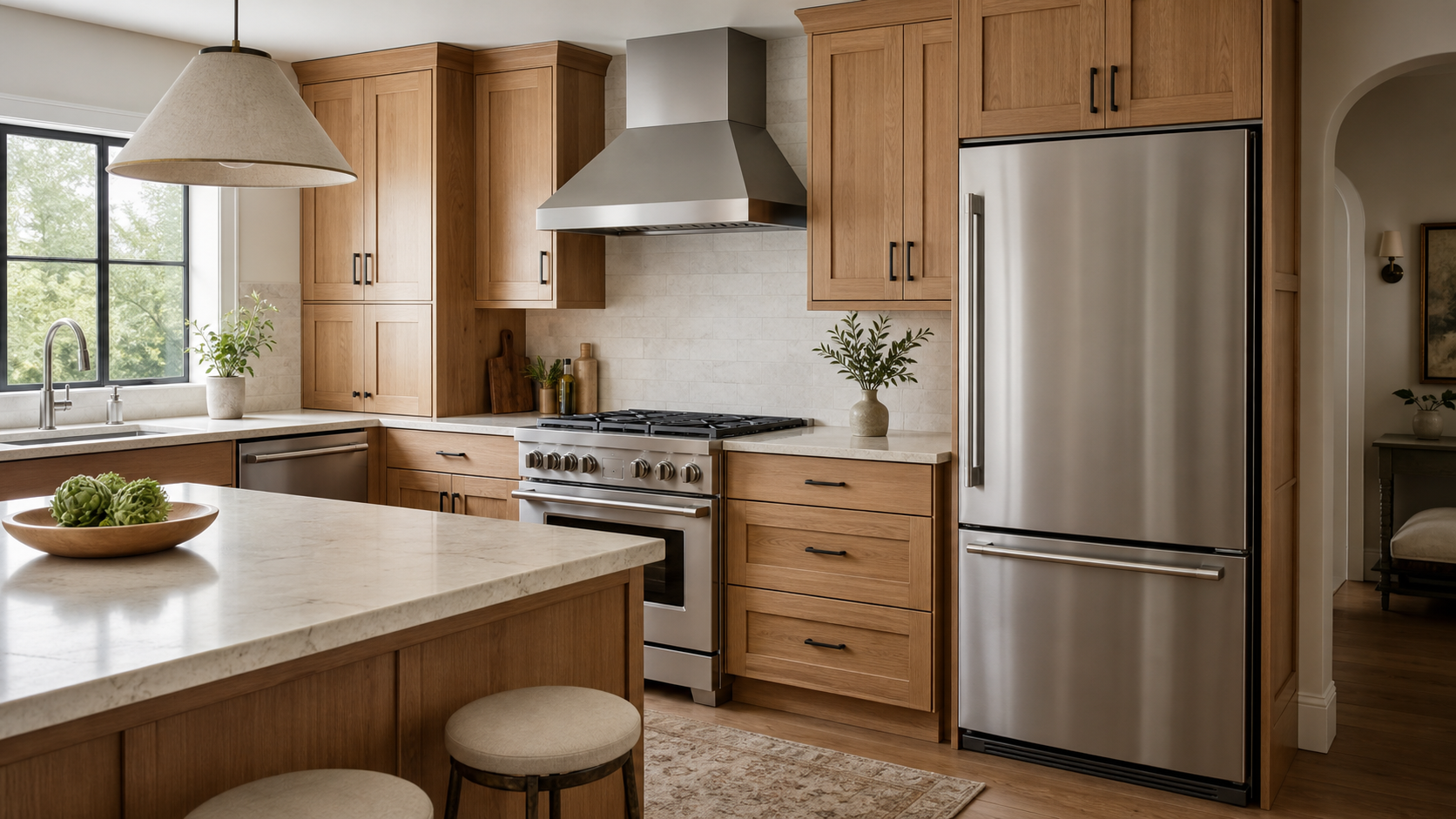
Start by deciding between freestanding, counter-depth, built-in and integrated refrigeration.
Consider:
- Available width and height
- Refrigerator and freezer capacity
- Door-swing and walkway clearance
- Water and ice preferences
- Built-in or panel-ready appearance
- Additional refrigeration elsewhere in the home
Refrigeration often has the greatest influence on cabinetry, so it should be selected early.
2. Cooking
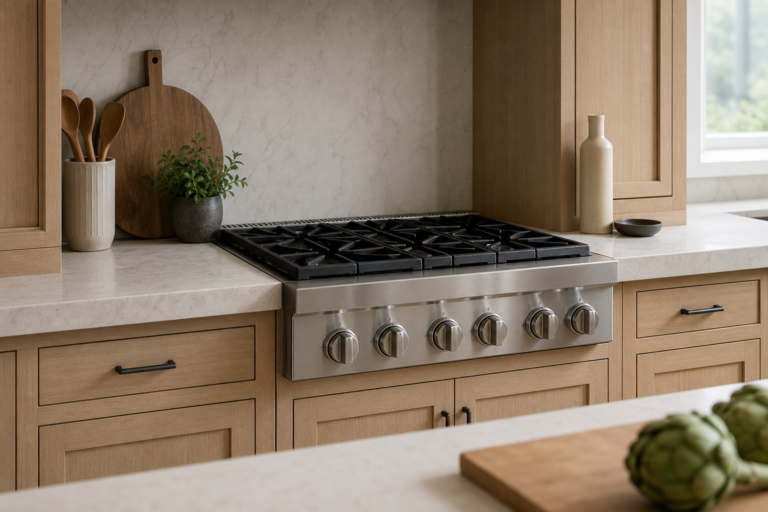
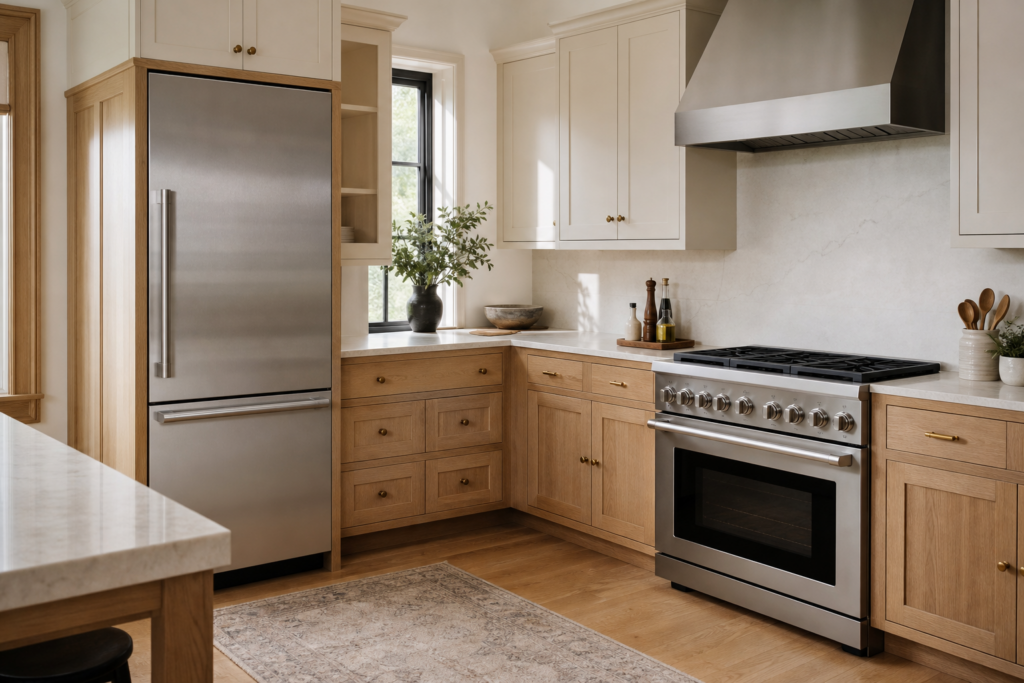
Choose the cooking configuration that fits both your habits and the kitchen plan.
Common options include:
- Freestanding or slide-in range
- Professional-style range
- Separate cooktop and wall oven
- Rangetop and wall oven
- Gas, radiant electric, induction or dual fuel
Think about how often you cook, the number of burners you use, your baking habits and whether you need one oven or multiple ovens.
Internal link: Read the Range Fuel Types Guide.
3. Ventilation
Ventilation should be planned with the cooking appliance—not added as an afterthought.
The right solution depends on:
- Range or cooktop width
- Appliance heat output
- Hood location and mounting height
- Duct size and route
- Local building requirements
- Makeup-air requirements
- Noise expectations
A decorative hood can be an important design feature, but it still needs to perform correctly.
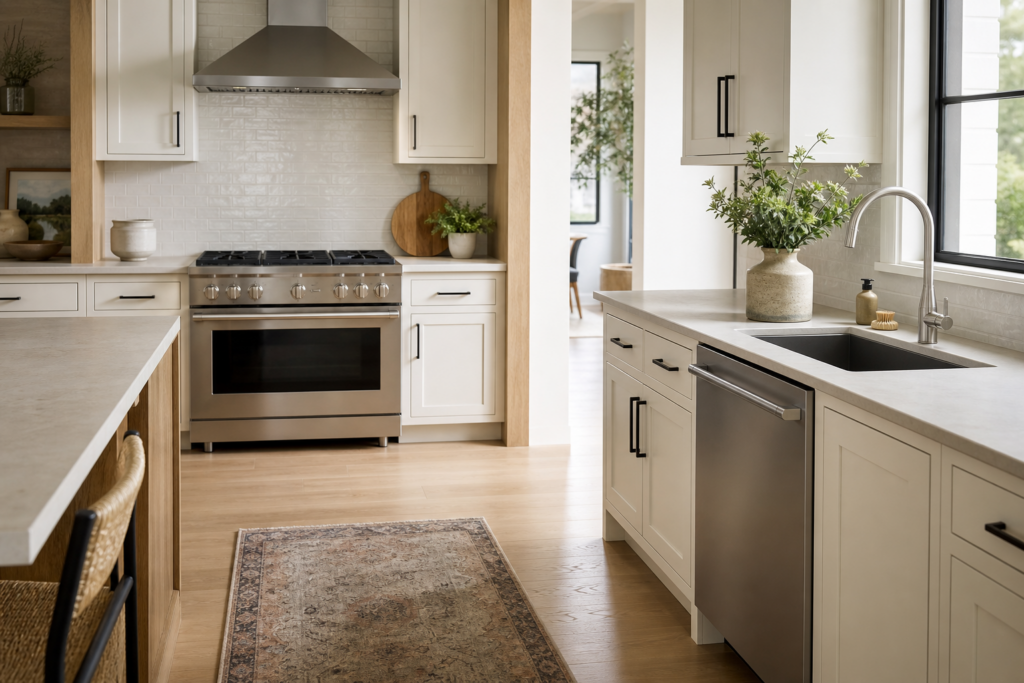
4. Dishwashing
Dishwashers may appear interchangeable from the outside, but rack design, drying performance, sound level and installation style can significantly affect everyday use.
Consider:
- Adjustable racks and loading flexibility
- Stemware and specialty-item support
- Drying method
- Noise level
- Panel-ready or stainless-steel finish
- Standard or ADA-compliant height
- Water-softening options where available
Should every appliance be from the same brand?
A single-brand package can provide a consistent appearance, coordinated handles and controls, and access to package incentives. It may also simplify the shopping process.
A mixed-brand package allows each category to be selected on its individual strengths. This can be worthwhile when refrigeration, cooking and dishwashing priorities point toward different manufacturers.
Neither approach is universally better. Appearance, performance, service support, availability and budget should all be considered.
Establish priorities before comparing models
Separate the project into three lists:
Must have
Features or installation requirements the package cannot compromise on.
Nice to have
Features that would improve the experience but are not essential.
Not important
Features that sound appealing but are unlikely to be used.
This keeps the package focused and makes it easier to decide where additional spending will have the greatest value.
Think in terms of the complete budget
The appliance purchase price is only one part of the project.
Allow for:
- Delivery and installation
- Required electrical or plumbing work
- Ventilation and ducting
- Gas connections
- Cabinet or countertop modifications
- Panels and appliance handles
- Water treatment
- Extended protection or service plans
- Removal of existing appliances
Planning these costs early helps prevent the appliance allowance from being consumed by unexpected installation work.
Package-planning checklist
Before requesting recommendations, gather:
- A floor plan or clear measurements
- Cabinet elevations, if available
- Photos of the existing space
- Current utility information
- Desired finish and design direction
- Cooking and entertaining habits
- Household size
- Must-have features
- Approximate budget
- Desired installation timeline
Final takeaway
Begin with the room and the way you live—not with a list of model numbers.
A well-planned package coordinates appliance performance, installation requirements, kitchen design and budget. Once those priorities are clear, comparing brands and individual models becomes much easier.